
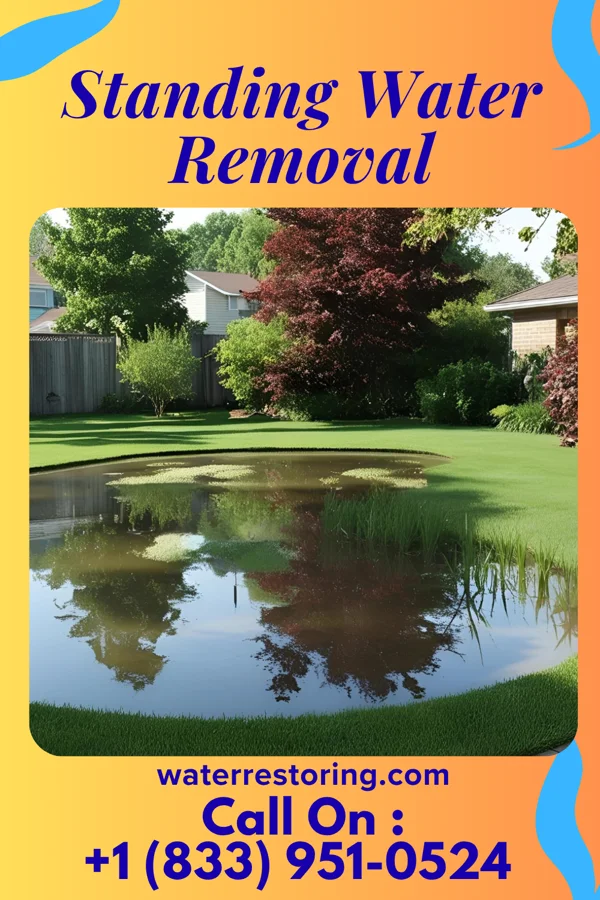
Why Dwight Mission Standing Water Demands Fast Removal
Most water damage emergencies in Dwight Mission start with In Dwight Mission, Oklahoma, the primary water damage cause is often due to agricultural runoff and seasonal flooding from nearby creeks, particularly after heavy rainfall events. Additionally, aging infrastructure and occasional sewer backups contribute to water intrusion in residential and commercial properties.. A close second is Secondary causes include leaks from irrigation systems, broken water tanks, and malfunctioning sump pumps. These issues are common in the rural setting of Dwight Mission, where many properties are spread out and rely on localized water management systems.. From the second water touches the property, every minute changes what gets saved and what gets ripped out.
Dwight Mission experiences a semi-arid climate with hot summers and occasional severe thunderstorms, which can lead to rapid water accumulation. The region's low elevation and proximity to water sources increase the risk of flash flooding, especially during spring and early summer.
Most standing water removal calls in Dwight Mission come from In Dwight Mission, Oklahoma, the primary water damage cause is often due to agricultural runoff and seasonal flooding from nearby creeks, particularly after heavy rainfall events. Additionally, aging infrastructure and occasional sewer backups contribute to water intrusion in residential and commercial properties.. Running a close second is Secondary causes include leaks from irrigation systems, broken water tanks, and malfunctioning sump pumps. These issues are common in the rural setting of Dwight Mission, where many properties are spread out and rely on localized water management systems.. Local mold risk: Mold growth can develop quickly in Dwight Mission due to the region's warm and humid conditions, especially after water damage events. Prompt action is critical to prevent long-term health and structural issues.
For public guidance on the health effects of mold after prolonged water exposure, see the EPA mold and health page.